The Power of Self-Compassion
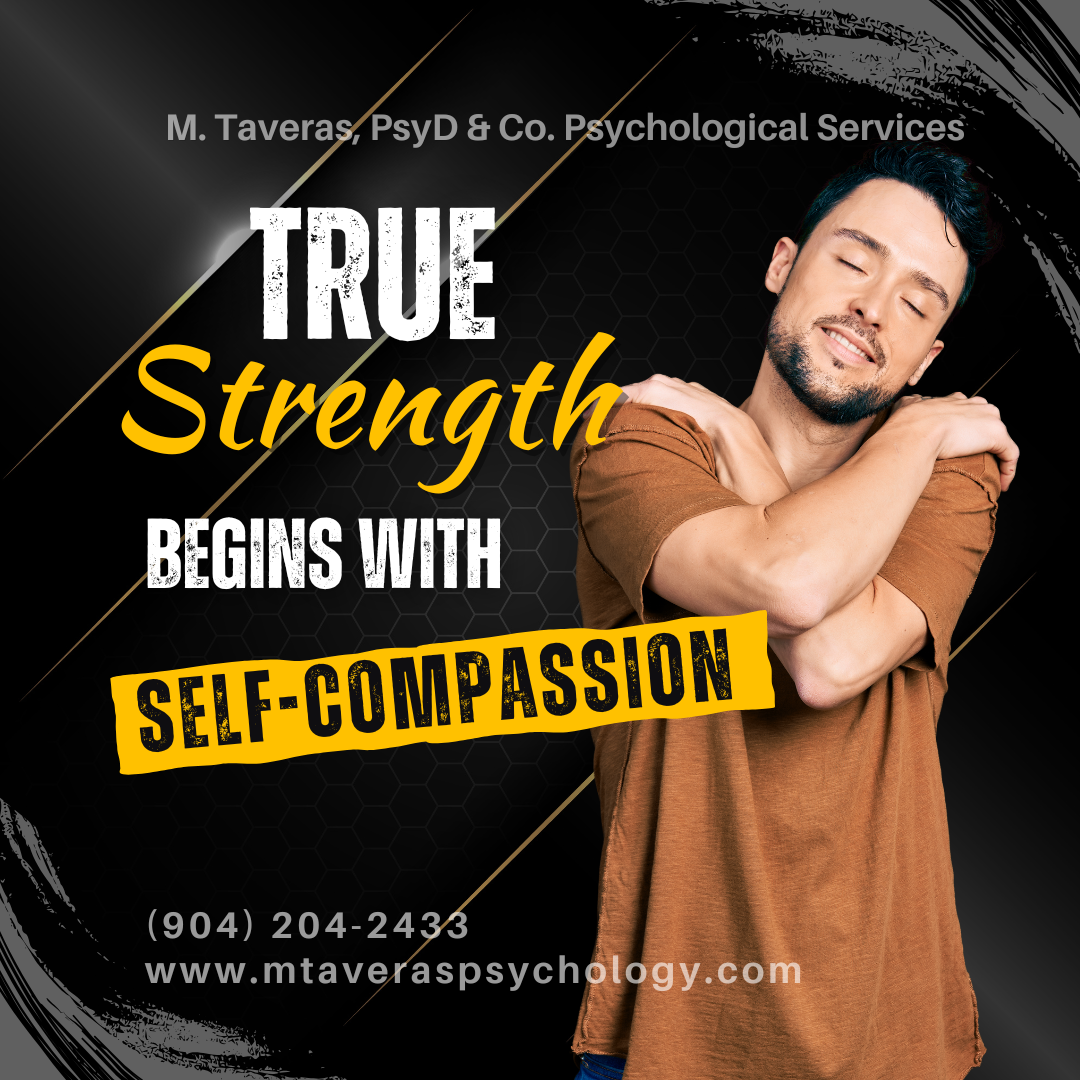
Many of us find it easy to offer understanding, patience, and encouragement to the people we care about. We comfort friends after setbacks, reassure loved ones during difficult times, and remind others that mistakes are part of being human. Yet when we experience failure, disappointment, or emotional struggles ourselves, our inner voice often becomes our harshest critic. Instead of offering ourselves grace, we respond with judgment, self-blame, and unrealistic expectations.
Self-compassion is not about avoiding responsibility or excusing our mistakes. Rather, it is about acknowledging our struggles with honesty while treating ourselves with the same kindness we would naturally extend to someone we love. Being compassionate toward yourself means recognizing that imperfection is part of the human experience and that every challenge presents an opportunity to learn, grow, and move forward.
Research has consistently shown that practicing self-compassion is associated with lower levels of anxiety and depression, greater emotional resilience, and healthier ways of coping with life's challenges. When we stop criticizing ourselves for every setback, we create space for healing, personal growth, and lasting change. Replacing self-judgment with self-understanding allows us to approach life's difficulties with greater confidence and emotional strength.
The next time you find yourself struggling, pause and ask yourself, "If someone I cared deeply about were experiencing this, what would I say to them?" Then, offer those same words to yourself. The relationship you have with yourself influences every other area of your life, and nurturing that relationship with compassion may be one of the most powerful steps you can take toward lasting emotional well-being.
Regards,
Michelle C. Taveras, PsyD, MSW
Licensed Clinical Psychologist & Founder